

Manufacturing underway. Get notified when Rampart launches!


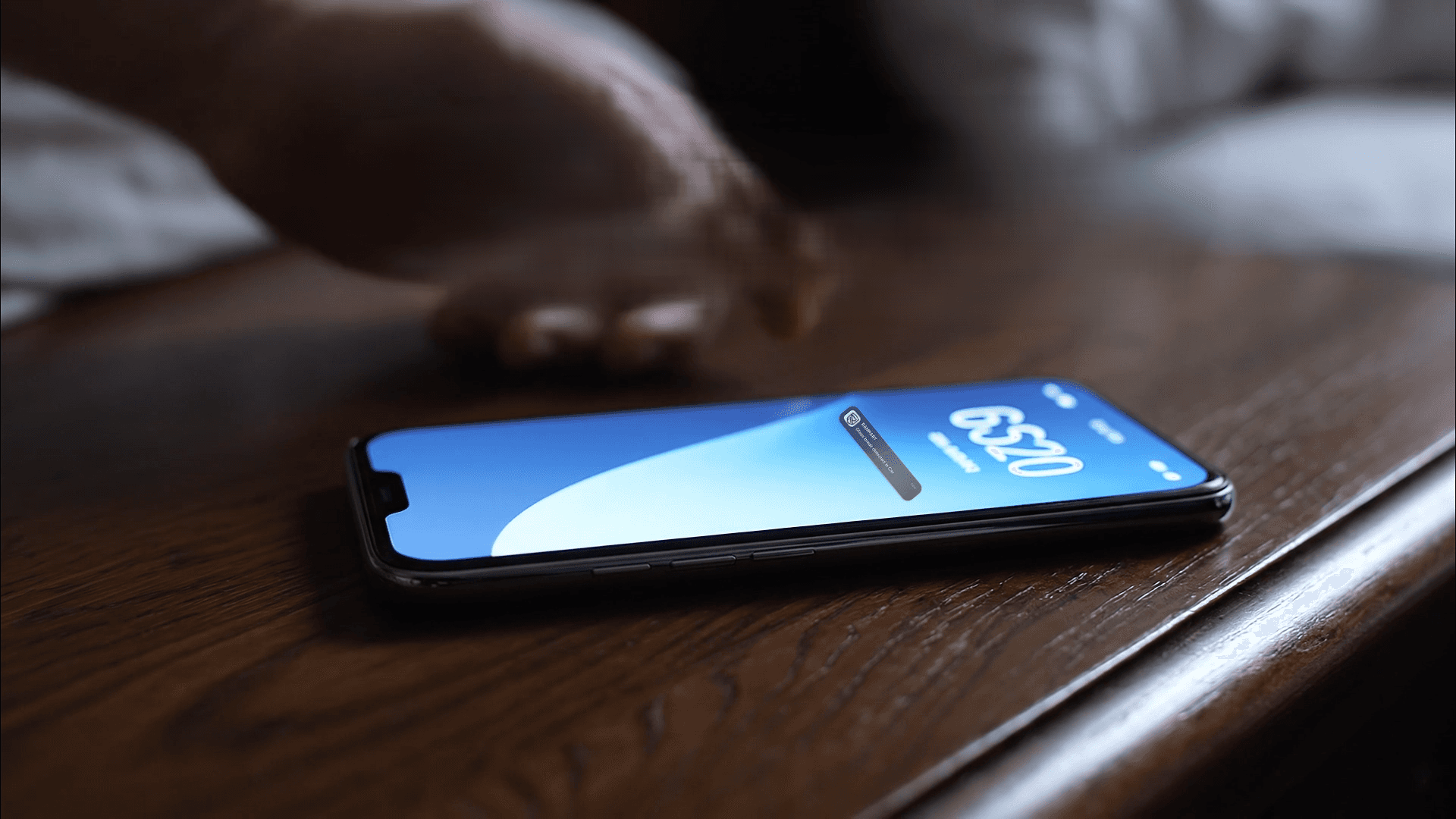
FROM DETECTION TO YOUR PHONE IN UNDER A SECOND
Capabilities
RAMPART
Fri Oct 07
03:13

RAMPART
now
Cabin motion detected.
RAMPART
now
Owner notified instantly.
RAMPART
Deterrent Cycle Active - SIREN ON
WaitlIst + pre order
.
Pre Order Options — Initial run limited to 1000 units
Request Fleet or Agency Quote
Get notified at launch

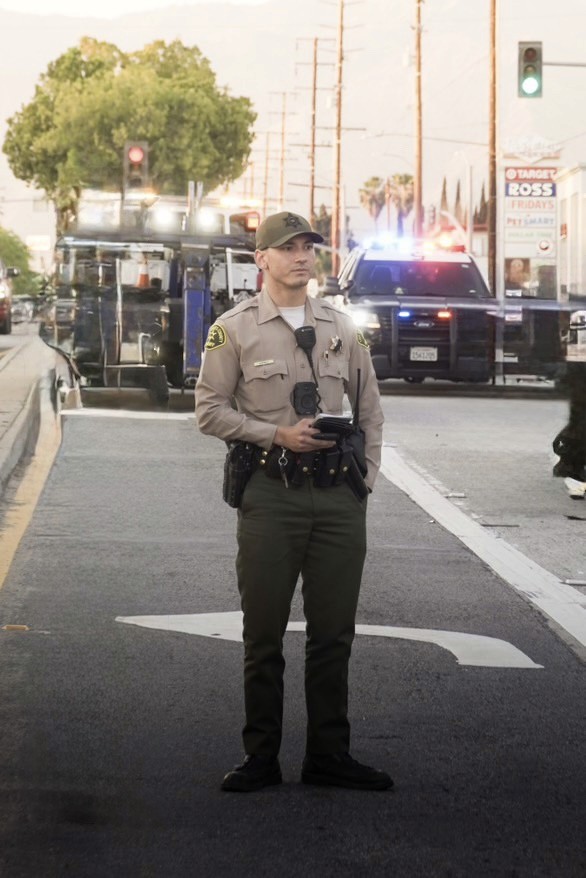
Deputy Demetrius Gorbea entered law enforcement in 2019. By 2022, he was on active patrol — responding to vehicle break-ins, catalytic converter thefts, and the kind of property crime that never makes the news but happens hundreds of times a day across Los Angeles.
The calls were always the same. Smashed window. Missing bag. A victim standing next to their car trying to figure out what was gone. And a report that would go into a system where almost nothing comes back.
He wrote hundreds of those reports. The pattern was always identical: the crime was already over, the damage was already done, and the owner had no idea it had happened until they walked back to their car.
Alarms had sometimes gone off but nobody called. Cameras had recorded. Nobody watched. He saw that the entire security model was built around documenting loss — not preventing it.
The thing that stayed with him wasn’t the broken glass or the stolen property. It was the resigned look on people’s faces. The sense that this was just something that happened to you and you were supposed to accept it. That the system’s answer to someone violating your space, your vehicle, your sense of safety was essentially: sorry about your luck.
That never sat right with him. He’d entered law enforcement for a specific reason to stand between honest people and the things that threaten them.
To make the world marginally safer, even in ways no one would notice. That impulse wasn’t career ambition. It was conviction. And the deeper he got into patrol, the clearer it became that the tools available to everyday people didn’t match the scale of the problem.
Over the years in patrol, he started studying how break-ins actually unfolded. The timing, the pace and hesitation, the way criminals calculated risk in real time. He noticed something that most people outside law enforcement never see: the moment before a thief commits their crime, there’s a window. A small one that nothing in the current security landscape exploited.
On the 4th of July, 2025, while lying in bed hearing the sound of a city celebrating with fireworks, he also heard the car alarms underneath them. Dozens of them. Cycling through their patterns. He thought to himself how backwards it was that car alarms respond to fireworks but not break-ins. And if they did activate, we’ve become so accustomed to the false alarms that they no longer served their purpose. The recognizable sound that has been around for decades had been trained out of meaning. It was just noise.
What happened next wasn’t invention. It was recognition. The idea didn’t arrive through research or brainstorming — it arrived whole. His years on patrol. His understanding of how criminals think. The fact that the tech to build what he was imagining already existed, it just had never been put together for the people who needed it most. That wasn’t a coincidence.
He decided that day that he was going to use what he’d learned in the field to build something that took the advantage away from criminals and put it back in the hands of the people they prey on.
By September 2025, he had started laying the groundwork for what would later become Rampart. He spent the following months teaching himself how to build nearly every piece of it. The firmware. The mobile app. The cloud infrastructure. The hardware. He didn’t wait for a co-founder or a funding round. He built.
The goal wasn’t to build just another “smart” device.
The goal was to create an entirely different category that doesn’t currently exist in the world of asset security:
A simple device that automatically arms and disarms itself, detects unauthorized cabin motion, and sends a real-time alert directly to the owner’s phone. No WiFi dependency. No range limitation. No reliance on bystanders. The owner finds out the second their car is targeted — not hours later, not from a police report, but in the seconds that actually matter. Gen 1 starts with vehicle intrusion. Future sensor layers can expand the same architecture toward glass break, lift, tilt, catalytic converter theft, tool theft, copper theft, and more.
He built the deterrence logic from what he’d learned on patrol about criminal’s mindset. When someone is up to no good, their nervous system is already running a risk calculation to avoid being caught. An unexpected, deliberate siren coupled with the owner notification breaks that calculation. It introduces doubt. And doubt makes people flee. The siren doesn’t need anyone else to hear it. It just needs the intruder to think it did in order to collapse their confidence before they finish what they came to do.
By December 2025, push notifications were working end-to-end and by February 2026, the system could auto-arm when the owner walked away and disarm when they returned. No buttons, no app interaction.
Motion detection, siren activation, and phone alerts were all firing in sequence, tested in real vehicles, validated against real scenarios.
With a working prototype in hand, Demetrius then founded Peace Through Strength LLC to bring Rampart to market. The name is deliberate. The product is rooted in the logic of deterrence and restoring a capability that asset owners lost somewhere along the way:
the ability to know what’s happening to their property and the ability to change the outcome.
He still patrols. He still responds to the same calls. The difference is that now, when he writes another report for another smashed window, he knows something the victim doesn’t yet — that it doesn’t have to be this way and help is coming soon.
The purpose that put him in uniform is the same purpose that put a soldering iron in his hand. The mission never changed. It just grew.
Common Questions
Traditional car alarms go off and nobody responds.
Rampart puts the decision back in your hands.
YOU FIND OUT WHILE IT'S
HAPPENING.
Join the pre order list